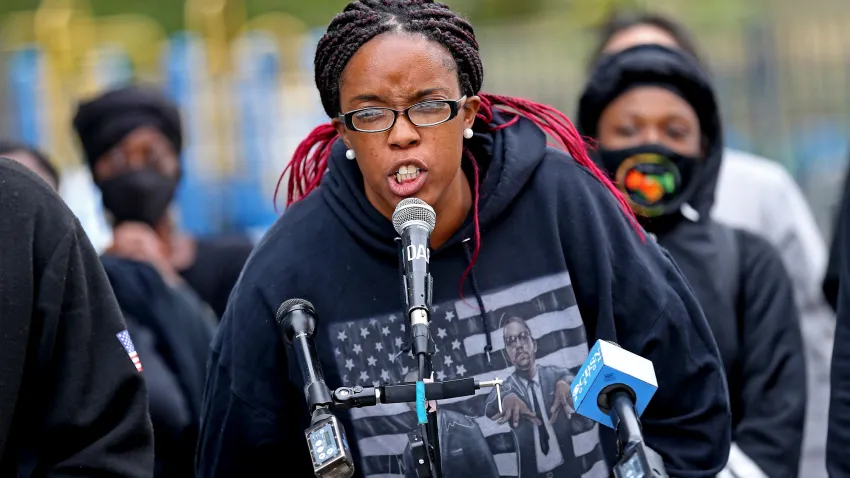
Boston community activist Monica Cannon-Grant pleaded guilty Monday to 18 counts related to a scheme involving the misuse of donations to her nonprofit, Violence in Boston.
Federal prosecutors revealed that Cannon-Grant and her late husband, Clark Grant, pocketed thousands of dollars intended to support pandemic relief and community violence reduction efforts. The charges include wire fraud, mail fraud, conspiracy, and filing false tax returns. Cannon-Grant is scheduled for sentencing on January 29, 2026.
The Boston Resiliency Fund, created to help Bostonians during the COVID-19 pandemic, was among the programs defrauded by the couple. Prosecutors said the Grants diverted nearly $54,000 in pandemic relief funds and withdrew approximately $30,000 in cash from the nonprofit’s accounts, using some of the money for personal expenses such as auto loans and insurance.
In addition to the pandemic relief fraud, Monica and Clark Grant were accused of fraudulently obtaining $12,600 in rental assistance by concealing income and submitting forged documents to the Massachusetts Department of Unemployment Assistance to secure nearly $44,000 in unemployment benefits for a family member. The total fraudulent unemployment benefits collected amounted to approximately $145,269.
Monica Cannon-Grant also admitted to filing false tax returns for 2017 and 2018 and failing to file returns for 2019 and 2020, concealing tens of thousands of dollars in income from her nonprofit work and consulting contracts.
Violence in Boston was founded in 2017 to reduce violence and support community causes. Cannon-Grant, who organized notable protests including a major 2020 rally after George Floyd’s killing, had been a respected figure in Boston’s activism scene, earning awards such as Bostonian of the Year and the Boston Celtics Heroes Among Us award.
Her late husband, Clark Grant, passed away in a motorcycle accident in March 2023.
U.S. Attorney Leah Foley condemned the actions, stating that Cannon-Grant exploited public trust and financial aid programs meant to help vulnerable communities for personal gain.
