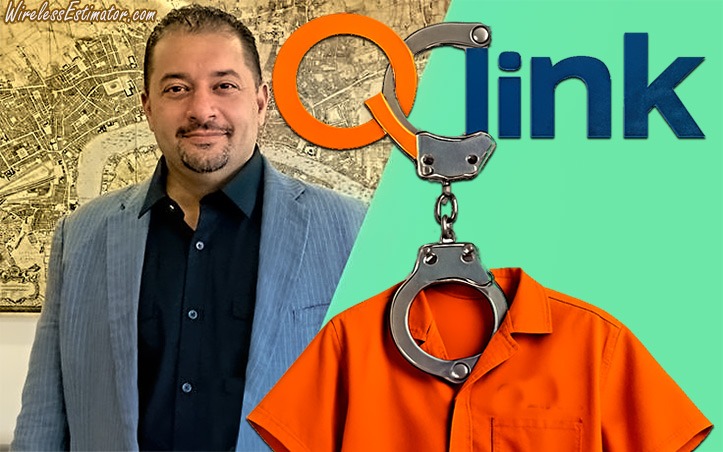
FROM Q LINK TO THE CLINK — In one of the largest fraud cases in Federal Communications Commission (FCC) history, Issa Asad, the founder and CEO of Q Link Wireless, has been sentenced to five years in federal prison. The 51-year-old Florida businessman pleaded guilty to orchestrating a massive scheme that defrauded the FCC and Small Business Administration of more than $128 million.
Asad’s company, Q Link, had capitalized on the FCC’s Lifeline program, which helps low-income Americans access phone and internet services. But from 2012 to 2021, the company submitted millions in fraudulent reimbursement claims—often for customers who had never signed up or no longer used the service.
According to court documents, Q Link used coercive robocalls to trick users into remaining enrolled and even fabricated phone usage records to justify continued billing. When the FCC began investigating, Asad directed employees to forge documents and create fake logs in an attempt to deceive regulators. Over $50 million was funneled to foreign bank accounts in Jordan tied to Asad and his family.
Asad also defrauded the Paycheck Protection Program (PPP) by falsely claiming pandemic-related losses. He used the relief funds to buy a Land Rover, jewelry, and pay off personal debts. The combined fraud made it the largest criminal case involving the FCC and the biggest corporate plea deal ever prosecuted in the Southern District of Florida.
In addition to his five-year sentence, Asad and Q Link were ordered to pay over $109.6 million in restitution to the FCC, while Asad separately agreed to pay $1.75 million to the SBA. He also forfeited $17.5 million personally.
“This was a brazen scheme of staggering proportions,” said Kareem Carter, Executive Special Agent at the IRS. “Mr. Asad prioritized his greed, stealing $100 million from taxpayers.”
Asad’s fall from grace is not his first brush with the law. In 2014, he was arrested for running over a groundskeeper, Michael Kramer, after a dispute over a $65 debt. The man died 10 days later. Asad was originally charged with murder but ultimately pled no contest to culpable negligence, serving nine days in jail and receiving a year of probation.
His sentencing this week marks the final chapter in a long-standing investigation and a dramatic downfall for a telecom executive who once posed alongside celebrities in high-end marketing campaigns—funded, in large part, by exploiting vulnerable communities and taxpayer dollars.
